
Mary Kate Keller & Emma Derynck | June 1, 2026
Depression is a common and complex mental health disorder that affects millions of individuals. Commonly used treatment approaches, such as antidepressant medication management and psychotherapy, may minimize symptoms; however, these treatments often require long-term use and, for some, do not provide adequate relief. In recent years, increasing research has explored the therapeutic potential of ketamine therapy for depression, including ketamine-assisted psychotherapy (KAP) and Spravato® (esketamine), as an alternative treatment approach for managing depressive symptoms in adults.
Unlike traditional medications, ketamine promotes rapid changes in brain connectivity and has rapid-acting antidepressant effects. According to a review by Artin and colleagues (2021), KAP has been found helpful for those who haven’t responded to traditional medication management, alleviating symptoms associated with treatment-resistant depression.
One of the primary mechanisms underlying the effectiveness of ketamine as a treatment modality is its ability to support neuroplasticity—the brain’s ability to reorganize and change. Artin et al. (2021) propose that neuroplasticity may be one of the key mechanisms underlying ketamine's antidepressant effects. Understanding neuroplasticity provides crucial insight into how ketamine-assisted psychotherapy may help alleviate symptoms of depression, as well as explain ketamine's relatively rapid antidepressant effects.
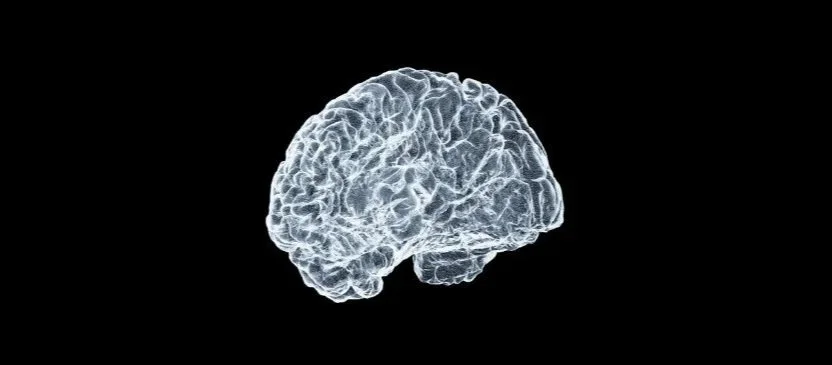
Illustration of a human brain representing neuroplasticity and neural change.
What Is Neuroplasticity and Why Does It Matter for Depression?
Neuroplasticity refers to the brain’s capacity to form new neural connections, reorganize existing pathways, and adapt in response to life experiences. This process occurs throughout the lifespan and plays a critical role in learning, memory, and emotional regulation. Neuroplasticity allows us to adapt to new situations, recover from stress, and integrate new ways of thinking. In the context of depression, however, neuroplasticity can be impaired.
Research reviewed by Artin et al. (2021) suggests that individuals with depression often exhibit reduced synaptic connectivity and decreased neural growth. These changes may contribute to the persistence of negative thought patterns and emotional dysregulation, making it more difficult for individuals to shift out of depressive states.
It's important to understand that neuroplasticity is not the antidepressant mechanism itself, but rather the brain's tool for creating and reinforcing change. One of the most important aspects of the ketamine-assisted psychotherapy process is the therapeutic support that accompanies treatment. While KAP combines ketamine with psychotherapy in the same treatment experience, individuals receiving Spravato® may also benefit from ongoing counseling and integration support to help reinforce meaningful changes outside of treatment sessions.
How Ketamine Therapy Supports Neuroplasticity
In KAP, the combination of ketamine, which may allow the mind to become more open to new perspectives and patterns, and talk therapy creates a unique opportunity for individuals to move beyond maladaptive rumination and reflect on their circumstances from a different perspective. Although Spravato® follows a different treatment model, many individuals also choose to engage in counseling alongside treatment to support lasting change.
Integration therapy, which occurs during the period of increased neuroplasticity following ketamine treatment (typically within 24 to 48 hours), is an important component of the healing process. During this window of enhanced neuroplasticity, integration therapy can help individuals make sense of insights, emotions, and experiences that arise during treatment and apply them to daily life.
This multifaceted approach, combining medical treatment with psychotherapy, allows individuals to maximize the potential benefits of these changes and may increase the likelihood of sustained improvements in well-being.
Ketamine-Assisted Psychotherapy for Depression and Lasting Change
Ketamine-based treatments, including both Ketamine-Assisted Psychotherapy (KAP) and Spravato®, are often most effective when approached as part of a broader healing process rather than standalone interventions. Because ketamine may enhance the brain's capacity for adaptation and change, researchers have become increasingly interested in its role in supporting neuroplasticity (Artin et al., 2021). When paired with clear therapeutic intentions, thoughtful integration, and a willingness to engage openly in the process, ketamine may create an opportunity for meaningful psychological growth.
For individuals experiencing treatment-resistant depression, anxiety, trauma/PTSD, grief, addiction, rigid thought patterns, or persistent emotional stuckness, ketamine-assisted psychotherapy may offer a valuable alternative when traditional approaches have not provided sufficient relief.
At Sub Rosa Therapy, we offer both Ketamine-Assisted Psychotherapy (KAP) and Spravato® treatment in professionally guided environments designed to support both immediate symptom relief and long-term healing. Our counselors are trained in psychedelic preparation and integration therapy approaches, and we carefully attend to the set and setting of the treatment environment before KAP and Spravato® sessions. By combining ketamine-based treatments with therapeutic integration, Sub Rosa provides individuals with a safe and supportive space to transform periods of increased neuroplasticity into meaningful, lasting change.
Reference
Artin, H., Zisook, S., & Ramanathan, D. (2021). How do serotonergic psychedelics treat depression: The potential role of neuroplasticity. World Journal of Psychiatry, 11(6), 201–214. https://doi.org/10.5498/wjp.v11.i6.201