Mary Kate Keller | March 2, 2026
Mountain towns like Bozeman, Montana draw people in for a reason. People move here to reconnect with nature and center their lives around what matters to them. Bozeman offers year-round access to various activities—skiing, hiking, trail running, climbing, rafting, hunting, fishing, camping, and more. It is one of the most beautiful places in the country.
And yet, living here comes with unique stressors.
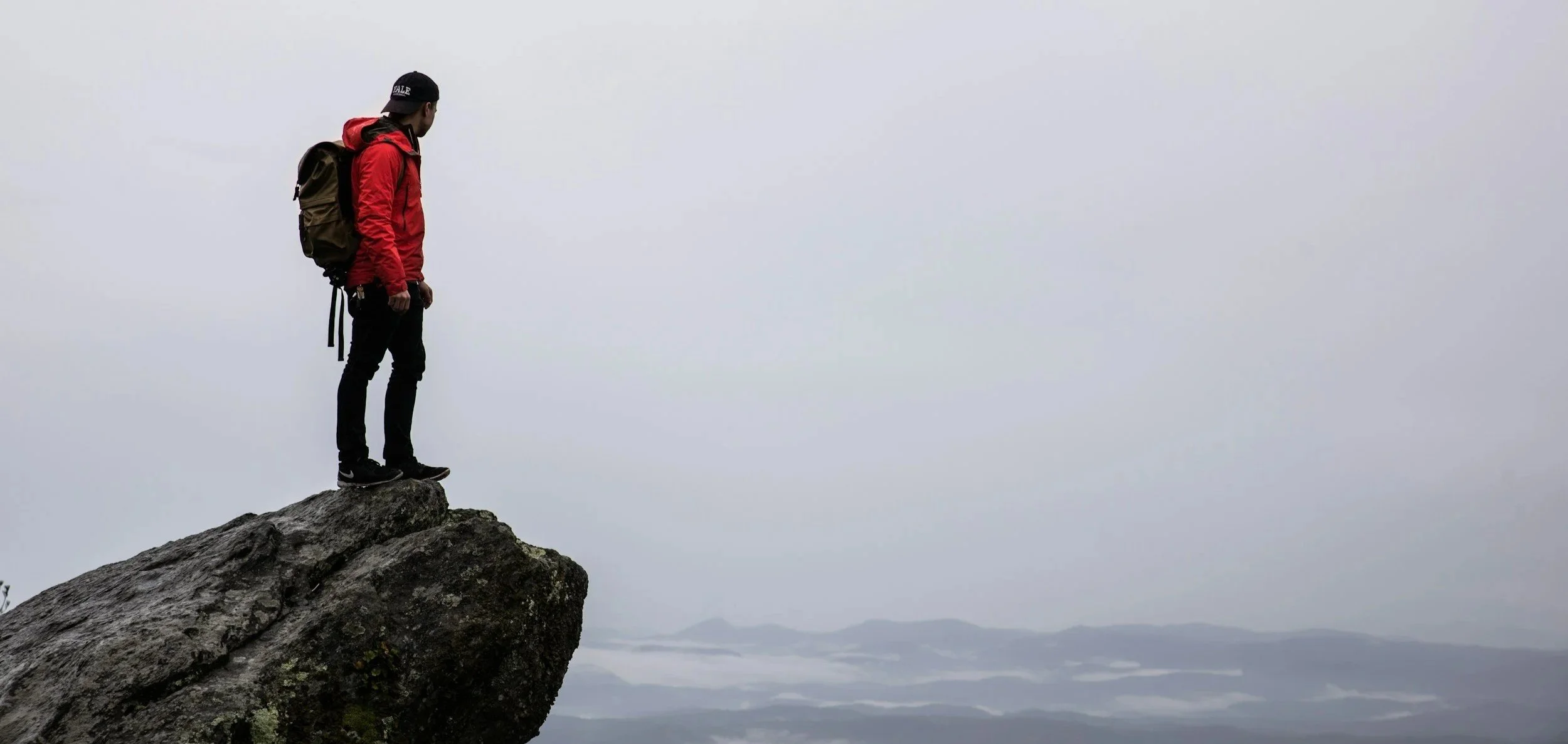
Suicide rates in many mountain communities exceed state and national averages. In Gallatin County, rates have approached nearly double the national rate. Researchers across the American West have referred to this pattern as the “Paradise Paradox”—the reality that even in stunning places, depression and suicide can remain elevated.
At Sub Rosa Therapy, we understand the specific pressures of living in a high altitude, high-achievement town that feels like paradise to outsiders. In Bozeman, counseling often needs to expand beyond addressing anxiety or stress alone. Many residents benefit from approaches that enhance traditional talk therapy.
Below are several factors that contribute to what many Bozeman residents experience as a quiet, persistent kind of burnout.
Isolation in Mountain Communities
Many people move to mountain communities seeking space. Sometimes they’re moving toward something meaningful. Sometimes they’re moving away from something painful. Often, it’s both.
Rural living can make connection more difficult. Remote housing, seasonal work, and distance from family create natural barriers to support. Smaller communities also tend to have fewer mental health resources per capita.
Societal Expectations
Mountain culture values independence, resilience, and often a highly active way of living. While these characteristics may be strengths, they can also become barriers to asking for help.
In Bozeman, there is often unspoken pressure to be active, high-performing, and grateful to live here. Admitting you are struggling can feel out of place in a town where people appear strong and capable.
This stoic mindset can make it harder to seek support. The belief that “I should be fine” can deepen shame when anxiety, depression, or burnout persist.
Financial Pressure
Bozeman residents live in a place where others pay to vacation. Since the pandemic, housing and grocery costs have increased significantly, making it harder for many residents to afford what once felt sustainable.
Financial stress affects more than budgets. Chronic economic pressure activates the body’s stress response. Over time, this can contribute to irritability, sleep disruption, anxiety, and feelings of hopelessness. Burnout here is often less about working too much and more about carrying too much for too long.
Seasonal Changes
Winter in southwest Montana brings short days and long periods of cold. Seasonal employment shifts, changes in routine, and reduced daylight can affect mood and energy.
For some residents, especially those who do not participate in winter sports, the season can feel isolating. Reduced sunlight and vitamin D levels can intensify depressive symptoms. Understanding these patterns is important. However, understanding them does not always regulate them.
Alcohol and Substance Use
Alcohol culture is visible in many mountain communities. Public health data consistently show higher-than-average rates of excessive drinking across parts of Montana, including Gallatin County. In some areas, the number of liquor stores, casinos, and dispensaries outpaces available behavioral health services.
For some residents, alcohol or other substances become a way to manage stress, loneliness, or pressure. In the short term, this can feel relieving. Over time, it often disrupts sleep, increases anxiety, and contributes to low mood.
When the strategies that once helped begin to create new problems, it can feel discouraging—and harder to reach out for support.
Risk, Injury, and Loss
The activities that draw people to Bozeman often involve risk. Avalanches, backcountry accidents, wildlife encounters, firearms, and high-speed recreation can lead to life-changing injury or loss.
First responders, ski patrollers, healthcare workers, and wildfire crews may also carry repeated exposure to traumatic events.
Grief and trauma in mountain towns are often cumulative. Talking about these experiences is important. But trauma is not stored only in memory. It is also stored in the nervous system.
These stressors rarely occur in isolation. Over time, they accumulate.
Why Talk Therapy Isn’t Always Enough in Bozeman
Traditional talk therapy builds insight and provides support. For many people, it is effective.
But some residents find themselves understanding their patterns without experiencing meaningful relief. They can explain their anxiety or burnout clearly, yet still feel chronically tense, exhausted, or emotionally flat.
When stress becomes embedded in the nervous system, insight alone may not fully resolve symptoms. You may understand why you react the way you do and still feel your body brace, shut down, or stay on edge. That doesn’t mean therapy isn’t working. It may mean the work needs to go deeper.
An Integrated Approach to Bozeman Counseling
At Sub Rosa Therapy, we believe counseling in Bozeman should reflect both the realities of mountain town life and the way stress lives in the body. Mental health care is not one-size-fits-all, and sometimes counseling benefits from additional support.
Talk therapy may be supplemented by:
Somatic Experiencing to regulate trauma and chronic stress held in the body
EMDR for trauma processing
Acceptance and Commitment Therapy (ACT) to increase flexibility and reduce mental looping
Grief and Loss Counseling for those impacted by sudden death, injury, or trauma
Medication Management when appropriate
Ketamine-Assisted Psychotherapy (KAP) or Spravato® for depression, anxiety and PTSD
We offer telehealth counseling and medication management to increase access for those who live in rural areas or are unable to commute to our office.
We collaborate with community organizations such as Suffer Out Loud (for therapy scholarships) and Thank You Life (for ketamine-assisted psychotherapy (KAP) scholarships) to help reduce financial barriers to care.
If you are experiencing a mental health crisis, the Bozeman Help Center provides 24/7 support. You can also call or text 988 to reach the Suicide & Crisis Lifeline anywhere in Montana.
You are not alone. Living in a place that looks like paradise does not mean you have to manage stress alone.
Contact us to schedule a consultation today.